돈의 흐름 — M1, M2, 그리고 신용창조The Flow of Money — M1, M2 and Credit Creation
- M1은 바로 쓸 수 있는 돈(현금+요구불·수시입출 예금), M2는 여기에 정기예금 같은 조금 묶인 돈까지 더한 것입니다.M1 is money you can spend right away (cash plus demand deposits); M2 adds money that is a bit tied up, like time deposits.
- 은행이 예금 일부만 남기고 대출하면 돈이 여러 번 돌아 불어나는데, 이것이 신용창조입니다.When banks keep part of deposits and lend the rest, money circulates and multiplies: credit creation.
- 시중에 돈이 많이 풀리면(유동성) 자산값과 물가가 오르기 쉽습니다.When a lot of money flows in the economy (liquidity), asset prices and inflation tend to rise.
뉴스에서 "시중에 돈이 많이 풀렸다", "M2가 늘었다"는 말이 나옵니다. 돈을 찍는 곳은 한국은행 하나인데, 어떻게 돈이 '풀리고' '늘어날까요'? 돈이 흘러가는 길을 따라가 봅니다.
The news says "a lot of money has been released" or "M2 has grown." Only the Bank of Korea prints money, so how does money "flow" and "grow"? Let's follow its path.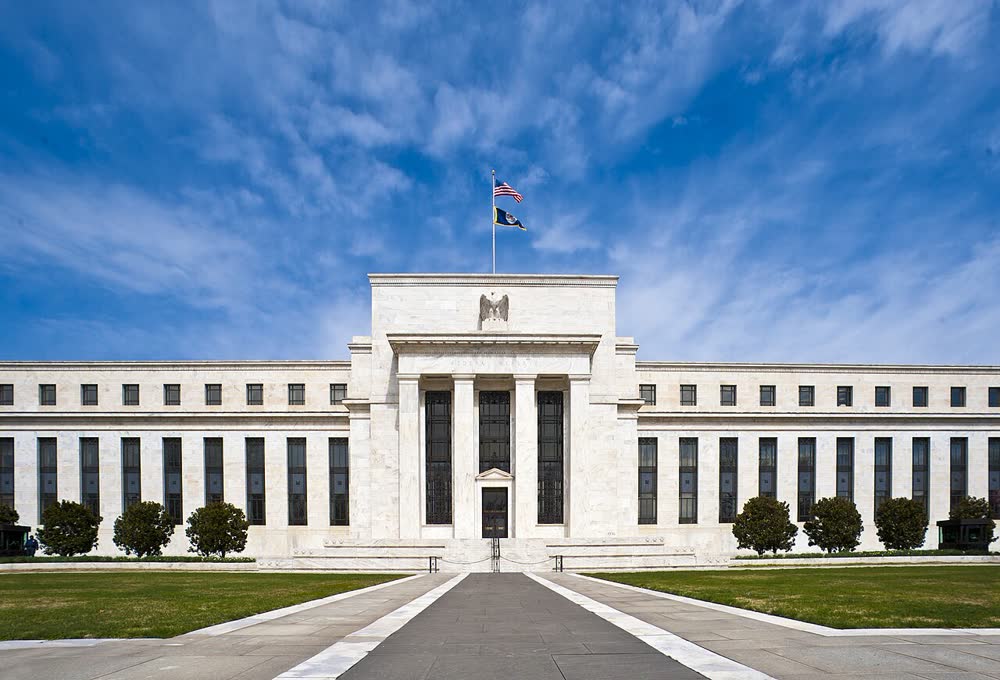
1. 돈의 종류 — 본원통화, M1, M2
1. Kinds of money — base money, M1, M2| 이름Name | 쉬운 뜻Simple meaning | 비유Analogy |
|---|---|---|
| 본원통화Base money (M0) | 중앙은행이 직접 내보낸 돈(현금 + 은행이 맡긴 지급준비금)Money issued by the central bank (cash + bank reserves) | 샘물The spring |
| M1 (협의통화)M1 (narrow money) | 현금 + 언제든 꺼내 쓰는 예금Cash + deposits you can withdraw anytime | 지갑과 수돗물Wallet and tap water |
| M2 (광의통화)M2 (broad money) | M1 + 정기예적금(2년 미만), MMF 등M1 + short time deposits, money market funds, etc. | 물탱크까지 포함Including the water tank |
한국은행은 매달 이 통계를 발표합니다. M2가 빠르게 늘면 시중에 돈이 넉넉하다는 뜻이고, 줄거나 느리게 늘면 돈이 귀해졌다는 뜻입니다.The Bank of Korea publishes these figures every month. Fast M2 growth means money is plentiful; slow or falling growth means money is scarce.
2. 신용창조 — 은행이 돈을 늘리는 원리
2. Credit creation — how banks multiply money제가 은행에 100만 원을 맡겼다고 합시다. 은행은 손님이 언제 찾으러 올지 모르니 일부(예: 10%, 10만 원)를 지급준비금으로 남기고 90만 원을 다른 사람에게 빌려줍니다. 빌린 사람은 그 돈으로 피아노를 사고, 피아노 가게 사장님은 90만 원을 또 은행에 맡깁니다. 은행은 다시 9만 원을 남기고 81만 원을 빌려줍니다. 이 과정이 계속되면 처음 100만 원이 이론상 최대 1,000만 원(100 ÷ 10%)의 예금으로 불어납니다. 이것이 신용창조, 그리고 10배를 통화승수라고 부릅니다.Say I deposit 1 million won. The bank keeps part (e.g., 10%, 100,000 won) as reserves and lends 900,000 won. The borrower buys a piano, and the shop owner deposits 900,000 won. The bank keeps 90,000 and lends 810,000. Repeated, the first 1 million can become up to 10 million won of deposits in theory (100 ÷ 10%). This is credit creation, and the 10× is the money multiplier.
실제로는 사람들이 현금을 들고 있기도 하고, 은행이 대출을 다 하지 않기도 해서 이론값보다 훨씬 적게 불어납니다. 또 요즘은 "대출이 먼저 일어나면서 예금이 생긴다"고 설명하는 시각도 있습니다. 중요한 것은 대출이 늘면 시중의 돈도 늘고, 대출이 줄면 돈도 줄어든다는 점입니다.In reality people hold some cash and banks do not lend everything, so money grows much less than the theory. Some economists also explain that loans come first and create deposits. The key point: when lending grows, money in the economy grows; when lending shrinks, money shrinks.
3. 중앙은행의 수도꼭지 — 기준금리
3. The central bank's faucet — the policy rate중앙은행은 기준금리로 돈의 양을 조절합니다. 금리를 내리면 대출 이자가 싸져 사람들이 더 빌리고, 신용창조가 활발해져 돈이 많이 풀립니다. 금리를 올리면 반대로 대출이 줄고 돈이 귀해집니다. 위기 때는 중앙은행이 국채를 직접 사서 돈을 푸는 양적완화(QE)를 쓰기도 했습니다.The central bank manages money with the policy rate. Cutting rates makes loans cheaper, people borrow more, credit creation speeds up, and money flows. Raising rates does the opposite. In crises, central banks have also bought bonds directly to add money: quantitative easing (QE).
4. 돈이 많이 풀리면 어디로 갈까
4. Where does extra money go?- 물가: 물건 양은 그대로인데 돈이 많아지면 값이 오릅니다.Prices: with more money and the same goods, prices rise.
- 자산: 주식, 부동산, 금, 코인 같은 자산으로 흘러가 값이 오르기 쉽습니다(유동성 장세).Assets: money flows into stocks, property, gold and crypto, lifting prices (a liquidity rally).
- 환율: 다른 나라보다 돈을 많이 풀면 그 나라 돈의 가치가 약해지기 쉽습니다.Exchange rates: printing more than other countries tends to weaken a currency.
5. 돈의 속도도 중요하다
5. The speed of money matters too같은 돈이라도 얼마나 자주 손을 바꾸는지(화폐유통속도)에 따라 경제의 활기가 다릅니다. 불안할 때는 사람들이 돈을 쓰지 않고 쌓아 두어서, 돈을 많이 풀어도 경기가 잘 살아나지 않는 일이 있습니다. 2008년 이후 몇 년이 그런 모습이었습니다.How often money changes hands (velocity) also matters. In uncertain times people save rather than spend, so even lots of new money may not revive the economy, as in the years after 2008.
6. 조율사의 비유
6. A tuner's analogy피아노 조율에서 줄의 장력을 한 번에 너무 많이 올리면 줄이 끊어지고, 너무 적게 올리면 음이 모자랍니다. 중앙은행이 돈의 양을 조절하는 것도 같습니다. 조금씩 듣고, 맞추고, 다시 듣는 반복이 필요합니다.In tuning, raising string tension too much at once breaks it; too little leaves it flat. Central banks adjusting money are the same: listen, adjust, and listen again, little by little.
📘 오늘의 영어 단어
📘 Today's English words| 영어 | 발음 | 뜻 |
|---|---|---|
| money supply | 머니 서플라이 | 통화량 |
| base money | 베이스 머니 | 본원통화 |
| narrow money (M1) | 내로 머니 | 협의통화 |
| broad money (M2) | 브로드 머니 | 광의통화 |
| reserve | 리저브 | 지급준비금 |
| credit creation | 크레딧 크리에이션 | 신용창조 |
| money multiplier | 머니 멀티플라이어 | 통화승수 |
| liquidity | 리퀴디티 | 유동성 |
| policy rate | 폴리시 레이트 | 기준금리 |
| quantitative easing | 퀀티터티브 이징 | 양적완화 |
쉬운 예문
- Banks lend part of the money we deposit.
은행은 우리가 맡긴 돈의 일부를 빌려줍니다. - M2 grew quickly last year.
작년에 M2가 빠르게 늘었습니다. - The central bank raised the policy rate.
중앙은행이 기준금리를 올렸습니다.
🔊 버튼을 누르면 브라우저에 들어 있는 음성으로 영어를 읽어 줍니다(기기에 따라 안 될 수 있어요).
자주 묻는 질문
Frequently asked questionsM2가 늘면 주식이 오르나요?Do stocks rise when M2 grows?
돈이 넉넉해지면 자산 시장에 도움이 되는 경우가 많지만, 기업 이익이나 금리 등 다른 요인도 커서 늘 그렇지는 않습니다.More money often helps asset markets, but company profits and rates matter too, so not always.
지급준비율은 몇 %인가요?What is the reserve requirement ratio?
나라와 예금 종류마다 다릅니다. 우리나라는 예금 종류에 따라 0~7% 수준으로 정해져 있으며 바뀔 수 있습니다.It differs by country and deposit type. In Korea it ranges from about 0% to 7% depending on the deposit, and it can change.
신용창조는 나쁜 건가요?Is credit creation bad?
아닙니다. 기업과 가계가 돈을 빌려 투자하고 집을 사게 해 경제를 키우는 힘입니다. 다만 너무 지나치면 빚 거품이 생깁니다.No. It lets companies and households borrow to invest and buy homes, growing the economy. But too much creates debt bubbles.
※ 이 글은 투자 권유가 아닌 공부 자료입니다.※ This page is study material, not investment advice. 숫자와 연도는 널리 알려진 역사 자료를 바탕으로 쉽게 정리했으며, 실제 투자 판단은 본인 책임입니다. 사진 출처: Eccles Building (26088200676).jpg (퍼블릭 도메인 (미국 연방준비제도)). 그림과 움직이는 그림은 직접 만들었습니다. · 📞 010-8756-8740
