거시에서 미시로, 미시에서 거시로 — 경제를 보는 두 개의 눈Macro to Micro and Back — Two Eyes for the Economy
- 거시경제는 나라와 세계 전체(성장률, 물가, 금리, 환율)를 보는 눈입니다.Macroeconomics looks at whole countries and the world (growth, inflation, rates, exchange rates).
- 미시경제는 가계와 기업 하나하나(가격, 수요와 공급, 이익)를 보는 눈입니다.Microeconomics looks at each household and company (prices, supply and demand, profits).
- 큰 그림에서 작게(톱다운), 작은 것에서 크게(바텀업) 오가며 보면 뉴스가 연결되어 보입니다.Moving between big-to-small (top-down) and small-to-big (bottom-up) connects the news.
조율을 할 때 저는 먼저 피아노 전체의 음높이(기준음이 얼마나 내려갔는지)를 확인하고, 그다음 한 음 한 음을 맞춘 뒤, 마지막에 다시 전체 화음을 들어 봅니다. 경제를 보는 것도 똑같습니다. 큰 그림과 작은 그림을 오가야 합니다.
When I tune, I first check the overall pitch of the whole piano, then tune each note, and finally listen to the full chords again. Looking at the economy is the same: move between the big and small pictures.1. 거시경제와 미시경제
1. Macroeconomics and microeconomics| 구분Item | 거시(매크로)Macro | 미시(마이크로)Micro |
|---|---|---|
| 보는 대상Focus | 나라, 세계 전체Countries, the world | 가계, 기업, 시장 하나Households, firms, one market |
| 대표 숫자Key numbers | GDP 성장률, 물가, 실업률, 금리, 환율GDP growth, inflation, unemployment, rates, FX | 가격, 판매량, 비용, 이익Prices, sales, costs, profits |
| 예Example | "미국이 금리를 올렸다""The US raised rates" | "동네 빵값이 올랐다""Local bread prices rose" |
2. 큰 그림에서 작게 — 톱다운
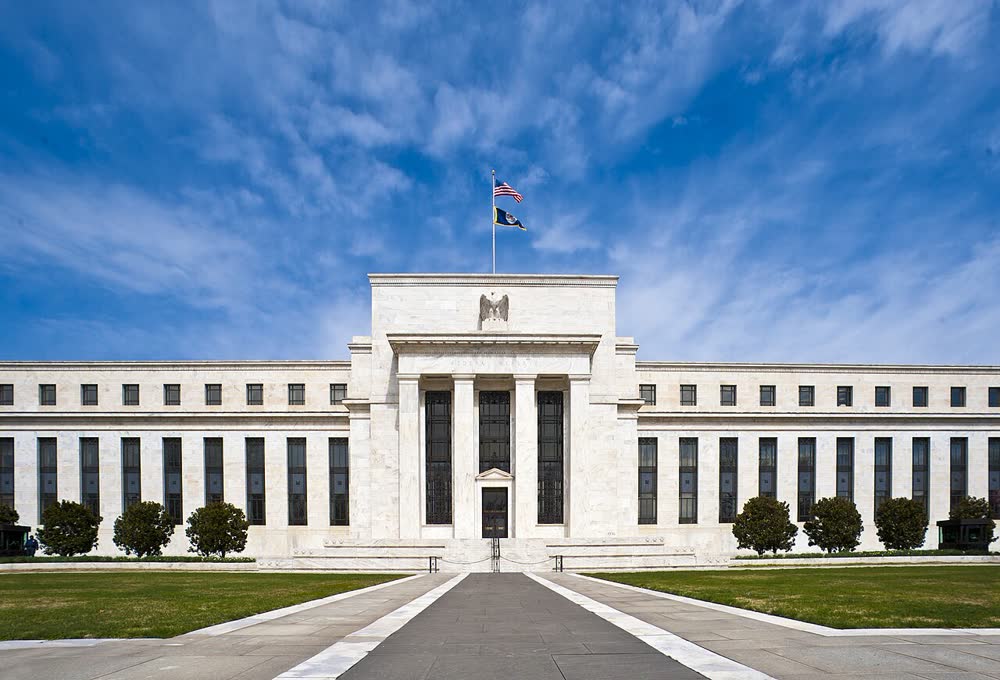
2. Big to small — top-down예를 들어 2026년 가을 "미국 연준이 추가 금리 인상을 시사했다"는 뉴스를 봤다고 합시다.Say in autumn 2026 you read, "The Fed hinted at more rate hikes."
- 세계: 미국 금리↑ → 달러 강세, 세계 돈이 미국으로.World: higher US rates → stronger dollar, money flows to the US.
- 나라: 원/달러 환율↑ → 수입 물가↑, 한국은행도 금리 고민.Country: won-dollar rate up → import prices up; the Bank of Korea weighs rates.
- 산업: 수출 기업은 환율 덕을 보지만, 빚이 많은 건설·부동산은 부담.Industry: exporters benefit from FX, but indebted construction and property suffer.
- 기업: 이자 비용이 큰 회사는 이익이 줄어 주가 압력.Company: firms with big interest costs see profits fall and stock pressure.
- 내 지갑: 대출 이자↑, 예금 이자↑, 해외 직구·여행비↑.My wallet: higher loan and deposit rates, pricier overseas shopping and travel.
3. 작은 것에서 크게 — 바텀업
3. Small to big — bottom-up반대로 시장에서 장을 보다가 "요즘 채소값, 기름값, 외식비가 다 올랐네" 하고 느꼈다고 합시다. 이런 작은 가격들이 모여 소비자물가지수(CPI)가 됩니다. 물가가 목표(우리나라와 미국은 연 2%)보다 높게 오래가면 중앙은행이 금리를 올리고, 금리는 다시 주식·집값·환율로 퍼집니다. 내 장바구니가 세계 금융시장과 연결되어 있는 셈입니다.On the other hand, while shopping you notice vegetables, fuel and eating out all cost more. Such small prices add up to the consumer price index (CPI). If inflation stays above the target (2% a year in Korea and the US), the central bank raises rates, which then spread to stocks, home prices and FX. Your shopping basket is linked to world markets.
4. 투자에서의 톱다운과 바텀업
4. Top-down and bottom-up in investing- 톱다운: 경기와 금리 흐름을 먼저 보고 유리한 나라·산업을 고른 뒤 회사를 고릅니다.Top-down: check the economy and rates first, choose favorable countries and industries, then companies.
- 바텀업: 좋은 회사(이익, 경쟁력, 경영)를 먼저 찾고, 거시 환경은 위험 점검용으로 봅니다. 피터 린치나 워런 버핏은 바텀업 쪽으로 자주 소개됩니다.Bottom-up: find good companies (profits, strength, management) first and use the macro view to check risks. Peter Lynch and Warren Buffett are often described as bottom-up.
5. 뉴스 한 줄을 두 눈으로 읽는 연습
5. Practice reading one headline with two eyes거시: 물가↑ → 금리 인상 가능성 → 성장 둔화 걱정.Macro: inflation up → possible rate hikes → growth worries.
미시: 항공사·운송사 비용↑, 정유사 이익↑, 내 출장 기름값↑.Micro: airlines and shippers pay more, refiners earn more, my travel fuel costs rise.
6. 조율사의 생각
6. A tuner's thought한 음만 완벽하게 맞추고 전체를 듣지 않으면 화음이 어긋나고, 전체만 보고 한 음 한 음을 소홀히 하면 깨끗한 소리가 나지 않습니다. 경제 공부도 숲과 나무를 번갈아 보는 연습이 가장 큰 공부입니다.If you perfect one note without hearing the whole, chords go off; if you only hear the whole and neglect each note, the sound is not clean. In economics too, switching between forest and trees is the best practice.
📘 오늘의 영어 단어
📘 Today's English words| 영어 | 발음 | 뜻 |
|---|---|---|
| macroeconomics | 매크로이코노믹스 | 거시경제학 |
| microeconomics | 마이크로이코노믹스 | 미시경제학 |
| GDP | 지디피 | 국내총생산 |
| CPI | 씨피아이 | 소비자물가지수 |
| growth rate | 그로스 레이트 | 성장률 |
| top-down | 톱다운 | 위에서 아래로 |
| bottom-up | 바텀업 | 아래에서 위로 |
| industry | 인더스트리 | 산업 |
| household | 하우스홀드 | 가계 |
| inflation target | 인플레이션 타깃 | 물가 목표 |
쉬운 예문
- Macroeconomics looks at the whole country.
거시경제학은 나라 전체를 봅니다. - Rising food prices push up the CPI.
음식값이 오르면 소비자물가지수가 오릅니다. - First see the forest, then the trees.
먼저 숲을 보고, 그다음 나무를 보세요.
🔊 버튼을 누르면 브라우저에 들어 있는 음성으로 영어를 읽어 줍니다(기기에 따라 안 될 수 있어요).
자주 묻는 질문
Frequently asked questions왕초보는 거시와 미시 중 무엇부터 공부하나요?Which should beginners study first, macro or micro?
생활과 가까운 미시(물건값, 수요와 공급)로 시작해서, 뉴스에 자주 나오는 금리·환율·물가 같은 거시로 넓혀 가면 쉽습니다.Start with micro, close to daily life (prices, supply and demand), then widen to macro topics in the news like rates, FX and inflation.
GDP는 무엇인가요?What is GDP?
한 나라 안에서 일정 기간 새로 만들어진 물건과 서비스의 가치를 모두 더한 것으로, 경제의 크기와 성장 속도를 보여 줍니다.The total value of new goods and services produced in a country over a period, showing the size and growth of its economy.
물가 목표 2%는 왜 정했나요?Why is the inflation target 2%?
물가가 너무 오르면 생활이 어렵고, 너무 안 오르거나 내리면 소비와 투자가 위축되기 때문에 적당한 상승을 목표로 삼습니다.Too much inflation hurts living costs, and too little or falling prices weaken spending and investment, so a moderate rise is the goal.
※ 이 글은 투자 권유가 아닌 공부 자료입니다.※ This page is study material, not investment advice. 숫자와 연도는 널리 알려진 역사 자료를 바탕으로 쉽게 정리했으며, 실제 투자 판단은 본인 책임입니다. 사진 출처: Eccles Building (26088200676).jpg (퍼블릭 도메인 (미국 연방준비제도)). 그림과 움직이는 그림은 직접 만들었습니다. · 📞 010-8756-8740
